

The Scoop
SHORT TRACK RACING – IT’S LIKE A THREE LEGGED STOOL

Posted on: Wednesday December 31, 2025
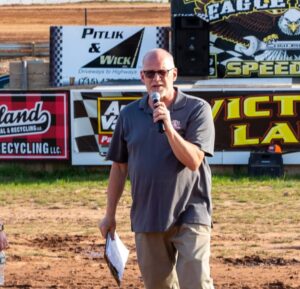
Joe Verdegan, shown here announcing at Eagle River Speedway in 2023, has been calling races throughout the Midwest for 43 seasons. (flintography.com)
I’ve put together some rambling thoughts as we close the books on 2025 and head into the 2026 season.
These are pretty random overall, and in no particular order or semblance whatsoever.
I’m always taking a look at our sport of short track racing from the “big picture” level, and I always attempt to do my best to try and predict what may or may not come down the pike in terms of the future of our sport. How to improve it. How to maintain solid car counts, and more importantly, how to successfully fill the grandstands so our hard-working and often underappreciated promoters can still keep the lights on.
I’ve always said that short track racing is like a three-legged stool. One leg is the drivers. One leg is the track promoter/operator (there is a difference). And the third leg is the fan base.
When one of those legs is broken or weak, the entire sport struggles. Race teams have a significant commitment in terms of both dollars and shop hours preparing and maintaining their respective machines, whether it’s dirt of asphalt.
And as such, many drivers/car owners can almost always lament that the payout isn’t enough, pit passes are too high, concession prices are through the roof, the tire company is ripping us off with what they are charging us and so on and so forth.
Race fans. The cost of an average adult ticket these days for a weekly show can range anywhere from $10 to even $18 or $20. Special events can go anywhere from $22 to even $40 or even $50, depending upon what touring series may roll through town. The days of fans attending weekly racing two of three times in a weekend are mostly a rarity in 2025 and beyond. (Maybe this is why the off-road/UTV series have become so popular as they only race on average every third week or so?)
Promoters. Who in this day and age would want to put up with the headaches? First off, you REALLY have to love to sport to put up with the grief. You really do. I don’t care if it’s a club or an independent promoter. With the emergence of social media, it can really wear someone down. When you are in the position of promoting a series or a track, often in the fan or driver’s eyes you can’t EVER seem to do enough right to satisfy the drivers or the fans.
Over the years, I’ve seen some promoters handle this social media B.S. with class and dignity, in some cases learning from legit constructive criticism. On the other hand, I’ve seen a few promoters engage in ridiculous back-and-forth online bickering (mainly Facebook) with people who most of the time have no skin in the game whatsoever.
And then there is staffing issues. I’ve said for quite some time now, I fear that weekly racing may become a thing of the past by the time 2030 or 2031 rolls around. And the main reason will be a lack of qualified, dedicated “all in” staff. I sincerely hope I’m wrong. While the demographic of the average race fan is aging, so is that of the average staff member working at the tracks/series.
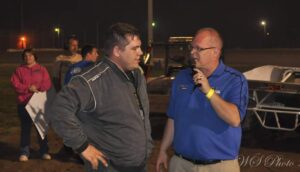
Mitch McGrath, shown here in a post race interview with Badger Mod Tour promoter Joe Verdegan, scored the 2013 BMT championship. (Bill Schmidt photo)
Mind you, there are exceptions to this. But the point in sharing these parting thoughts heading into 2026 is to THANK the promoters (independent promoters and clubs) for continuing to stick their necks out and provide us places to race.
For the hard-working race teams who spend the off-season trying to develop new marketing partnerships while rebuilding/refurbishing their machines.
And for the often very brand-loyal race fans. The most successful promoters moving forward will be the ones who can successfully embrace social media, and hook that new, younger race fan into the sport.
Here’s to 2026!